Friday, December 15, 2017

Functional Learning vs. Rote Teaching


Our education system likes to teach. A lesson + an activity = you should know this and be assessed on it. Learning is not like that. Learning is incremental scaffolding through discovery and processing over time.

There is a huge difference between knowing something and being able to USE information in a continuous learning process. Some information floats around and is picked up as a type of appetizer, nice but not filling and while it serves a purpose, it is not a foundation. Some information is the meat and potatoes that other, important, learning builds upon.

I had a client dad ask a few months ago about his son's ability to identify numbers. "He doesn't seem to know what a 7 looks like." 

I kinda blew him off, saying something about his child not needing to know that and I don't teach it. 

That conversation sat uncomfortably with me for the rest of the evening and night and I got back to him the next morning.

I had a similar conversation with a mother a few weeks ago. They were at Thanksgiving and her sons' cousin, who is a few weeks older, could identify all of his ABC's. "So, how is [my son] doing on his letter recognition?"

Again, I don't teach that.

This time, however, I was prepared with the better explanation I had given the dad the day after I kinda blew him off with a non-answer.


I explained:

Most preschools teach letter identification, and usually only uppercase letters. They also teach number identification to 10 and a set of primary color names. 

Here, I teach functionality. Your child may not be able to identify a 7 as a seven, but he can do one-to-one correspondence counting, even in a scatter group and COUNT to seven. He can COUNT to 20, possibly with some errors, in any manner required. He can simply look at a group of four items and know it is a quantity of four. He can count, with some ability, imperfectly, to 100. At 3 1/2 years old. A person can count without knowing number names. We are working on counting and quantification.

Your child may not be able to label an A as an A, but he can say that both upper AND lowercase Aa's say "ah." Uppercase recognition, when 90% of reading is lowercase letters, has very little functionality. If a person never, ever, learned letter names, they could still learn to read if they knew phonics. I am working on them reading.

Your child, at 3 1/2, can also identify around 12 shapes and colors, and I never stood in front of them and held a lesson and "taught" them anything.

I didn't even get into the fact that these children can pattern [#1 indicator of future math success], sort, graph, etc., which most other preschools are not even attempting to expose their students.


These children have been exposed to, and picked up through environmental, functional, exposure, LIVING experience, these SKILLS. There is no letter of the week, color of the day, flash cards, or expectation of memorization here. 

"Can you hand me that WHITE towel, please?"

"Do you want the BLUE or the PURPLE cup?"

"How many kids are here today?"

"How many cars do you have?"


"We are having eggs for lunch, how do you think we would spell EGGS? Let's sound it out. Eh, yep, gg, yep, ssss. Yeah. In this word, eggs has two g's, so it would be E-G-G-S. Eh, g, s. Eggs."

"Which one is your cubby? How do you know? Yes, it's your color, but it also has your name on it. Let's sound it out."

"We have to put your name on your art so I know who it belongs to. How do we spell your name? Let's sound it out."


They all pick up the letter and number names by kindergarten, but knowing their phonics and counting methods means that they are learning numeracy and literacy far earlier than their traditionally "taught" counterpart preschoolers. 

BECAUSE: 
  • Their learning has meaning. 
  • It has functionality. 
  • It is important to THEM. 
Graduate of mine who placed in the top 2%
INTERNATIONALLY in Math Olympiad
They may not be able to do a dog and pony show for the relatives, but they can do important WORK. 

This is why my kiddos historically leave here for kindergarten reading and doing math at a 2nd grade level. 

I think that the ability to read or DO math, is much more important than rote memorization of letter and number names. It's worked so far. Very well.


Knowledge is only powerful if you can USE IT.

Thursday, November 16, 2017

LSL E-commerce!

I've combined my products from sites such as Etsy, Teachers Pay Teachers and Spreadshirt and added a shop to my website for direct purchase/ordering. I'll be adding items over the next several months. All items are intended to serve multiple skill sets or developmental areas, be as natural as possible, and/or be open-ended play opportunities, and/or support specific learning objectives. I hope parents, providers and teachers will continue to enjoy my products and find a few more to add to their school or play room. On the left of the SHOP page, you will find the categories. Check it out!


Saturday, August 5, 2017

Child Care Checklist


PDF


1. Gives parents a chance to determine what THEIR desires, expectations and absolute must-haves are for the child care position for which they are interviewing providers

2. Gives a good checklist for comparing providers they interview, rather than relying on memory or in-complete notes

3. Gives parents a more thorough checklist of interview topics than they probably would have come up with on their own, especially first time parents.

4. Provides providers and centers a checklist to see where their strengths lie, and where they could possibly improve their program to be more competitive, or to be more clear in presenting their program to potential clients

5. Provides a comparison tool for checking out your competition and rating it against your program.

This was a quick put-together, so feel free to comment with additions, deletions, questions, suggestions.

Parents are always asking me what makes a great child care situation. I can't answer that, because every family, every care giver, every family situation and every child is very different. I do believe that the best situation will be a marriage of beliefs and philosophies on child rearing between a child care provider and the parents/guardians of the child. 

I think that personality matches are also important, that all parties feel open to be themselves and express their opinions and concerns freely.


Beyond that, there are some key elements that most parents would like to see in their child care situation. 

At this time, it should be standard that home providers get at minimum:
  • 10 paid vacation days
  • 5 paid time off [PTO] days for sickness or appointments
  • Paid major holidays 
Child care, especially home care, is a long, stressful day. Most providers are open a minimum of 50 hours a week and put in 10-20 hours a week in addition to that on cleaning, maintenance, shopping, curriculum, etc. It is VITAL that they have time off to re-charge and get away. 

Without it being paid, many providers will not take time off, and it is to their AND YOUR CHILD's detriment if they do not get some down time. I TRY to submit my time off a minimum of 3 months out so that my clients can make other arrangements. 

I personally don't take MLK or President's day, but other providers take their birthday, their child's birthday, Good Friday, etc. Our business, we can do that! When my brother was doing care, his contract had that he got off on Halloween every year, his favorite holiday.

Here in Kansas, regulations have become so restrictive that it is nearly impossible to get back-up providers who can come in while we go to doctor or dentist appointments. PTO days are becoming a necessity. 

My contract basically states that the clients have read and agree to my Policies & Procedures.

I belong to a child care marketing group. I don't need to market mine, I'm full for 3 years with a wait list at this point and have clients trying to plan pregnancies around my future openings. But I love to mentor others, and I do have some corporate marketing experience, and friends and clients with marketing backgrounds. One of the key aspects to marketing is knowing your strengths and weaknesses and those of your competition

Hopefully, this checklist will help parents and providers better assess a child care situation.


Tuesday, January 31, 2017

Drafting Tube Blocks - FREE


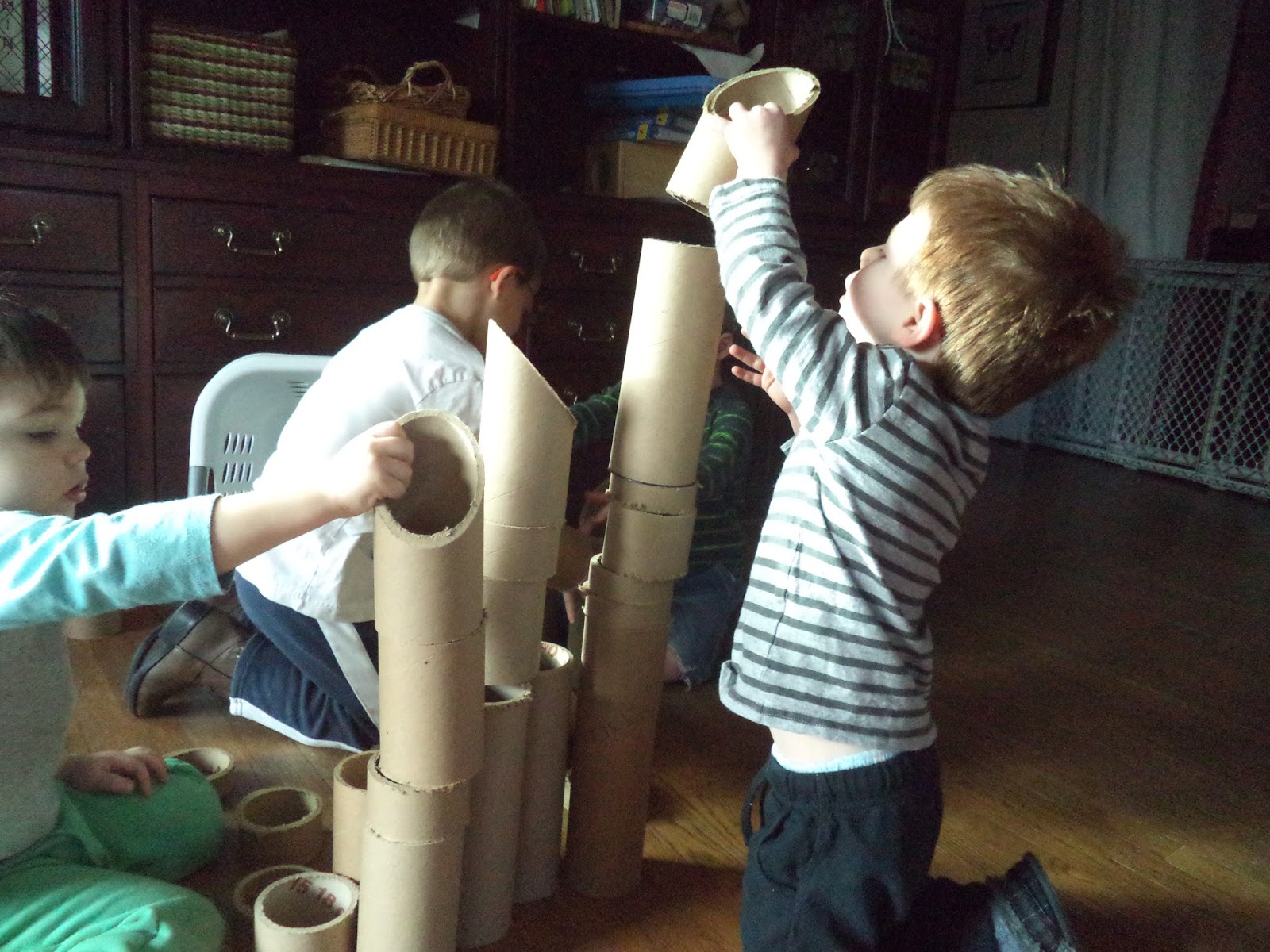
I am lucky enough to have a client who is a mechanical engineer and another who does CAD drafting, along with another that has a brother who is an engineer. So, I have a ready supply available of these HEAVY duty cardboard tubes that drafting paper comes on. 

Any architecture or engineering firm will most likely be willing to give you these for FREE, just call and ask.

These come in various lengths and are thick and sturdy, so they can stand up to the very destructive 2 year old boys I currently have with me.

I took the tubes and cut them with a standard saw blade on my chop saw at 1 inch intervals. I think I will color code them by size and mark the inches on each one. I think they will take earth tone natural stains well, to keep with the Reggio philosophy of more natural elements.

I purposefully did 20 units at 1" for numeracy teaching and exploring. 


How many did you get on your arm?

I did 1"-10" for counting and graduating, matching, estimating, unit measuring, and graphing teaching. 


Which one does that match?

I did more 2" and 3" for skip counting, fraction and multiplication teaching.


I cut several at 45 degrees and they really seemed to like those for toppers.


They started to figure out the logic/reasoning and physics pretty quick.


I kept the length at a max of 10 inches. This makes them difficult to use in any "stick" manner like a sword or bat. Not that they can't be used to hit, but it would be awkward and lack force.

A finer saw blade or slower cut would have made them less ragged. I didn't clean up the edges. You could with a wood rasp, but I found that the rough edges helped the pieces to stick together better. It also provided an extra sensory experience and fine motor activity as they picked at the edges.


6 tubes provided enough to fill a laundry basket. I will probably add an extra 2 tubes worth, but want to see how they play with them to determine the sizes we need before I make any more.


And if they get mutilated, well, there are plenty more where these came from, for FREE. Yay!
Tags: blocks, tubes, toddlers, preschool, daycare, child care, gross motor, fine motor, center, kindergarten, homeschool, frugal, 

Tuesday, December 20, 2016

Silhouette Christmas Ornaments

Shrinky Dink silhouette Christmas ornaments craft

While the children will be making various handprint and crafty items this week before Christmas, I wanted to do something for the parents that would be a lasting memento. 

Silhouettes are back in fashion, and I thought that would be a great idea to start with.

For the process:

I already had a pack of Shrinky Dink film. 


I took profile pics of the kiddos.

Knowing that my film is 8 1/2 X 11 inches, I manipulated the pics in my word processing drawing feature to comfortably fit within a 1/4 page space with enough extra for the hole at the top and the frame at the bottom.


I printed out the pics, placed them under the Shrinky Dink film, and outlined with a black Sharpie marker. [Don't scrimp and use a low-end marker.] I then removed the film from atop the photo on to a piece of plain white paper.

I took an oval piece from one of the children's shape matching games and used it as a template at the bottom to make a frame for their name and the year. I free handed the inside line about 1/4 inch.

I wrote their name and the year into the frame. I liked the satin look for the front of the ornament. If you want the shiny look for the front, I would print out the name and year in mirror and copy onto the ornament. 


I colored in the profile outline and the frame with a broad tip permanent marker going in one direction. If you go back and forth then it will start pulling the ink and make a gummy mess. Make a clean, slightly overlapping line and leave it to dry.

Once the first layer is dry, do a second layer of black permanent marker in the opposite direction. It will give a linen-like look to the finished piece. 

If necessary, let dry and do a third coat. Just because it shrinks down dramatically, doesn't mean that any missed or thin ink spots won't show. Get a good coverage before shrinking.

Use a standard hole punch to punch a string/hanger hole at the top of the film.

Bake at 325 degrees. I won't give a time, just to say it takes a couple of minutes. You need to watch them carefully and once they are FULLY flat, count 30 seconds and remove to cool. I was fearful the entire time watching them as they curl and bubble up and look like a freakish mess and that there is no way possible that they could end up flat and looking decent. They do! Just let them do their thing.

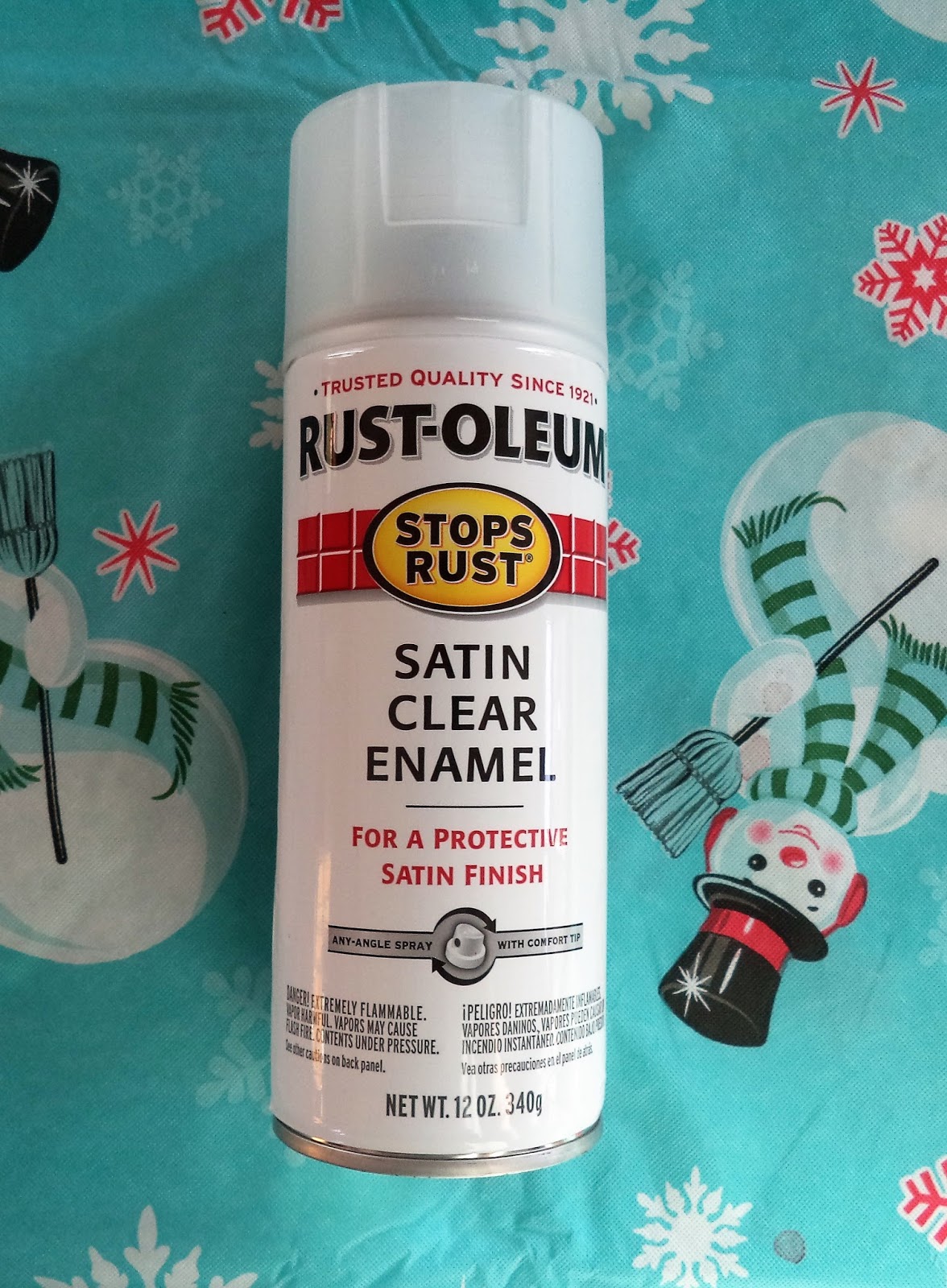
Once thoroughly cooled, I sprayed the inked side with a satin enamel. You could also use Modge Podge or another sealer, but I wanted something I could spray so that it wouldn't possibly mess up the pic with brushing something on.


I had some cording that fit perfectly through the hole. 


shrinky dink silhouette Christmas ornaments

They turn out relatively small. The shrinkage rate on my Shrinky Dink paper is suppose to be 50%, but they seem really small for a 1/4 sheet. They went from 4 1/4 X 5 1/2 to 1 5/8 X 2 inches.

I really like them. I hope the parents do, too.

cd3b5a1cfca0f056eb22a99c7b76c7bf2fd26004c317632a6f

Thursday, December 8, 2016

Cheese Steaks for Children


I had a French bread loaf and decided to use it for cheese steak sandwiches. Cheese steaks for preschoolers? Heck yeah!

I made them open faced for easier/neater handling by scooping out the middles of the bread slices.


I diced red, yellow and orange peppers and sauteed them in olive oil until caramelized.


The meat was about 4 lbs. of steaks cooked in the crockpot on low overnight with two cans French onion soup and water to cover. I froze half for another day.

I put the peppers and meat together and lightly diced it all with my chopper.

After putting the meat mixture into the center hollow of the bread slices, I topped with a 5 cheese Italian blend and broiled until melted and just browning.


Cheese steaks for children daycare menu

This was a new recipe, so I wasn't sure how it would go over. Two of the little ones didn't eat much of it, but they ate more than I thought they might, being my pickier eaters. The others finished off 2-3 half slices each and gave them an excellent rating.

With the meat already cooked, this is a quick meal to put together, and with the abundance of peppers, rich in nutrition.

Wednesday, December 7, 2016

Why NO JUICE

Why no juice for young children

There are many health reasons why children should not be drinking juice. Children should be drinking milk with meals and water at all other times. We tend to place our taste preferences for juice or soda/pop onto our children, when they are quite content to drink water. Children learn to like the foods and drinks that they are consistently given by their caregivers. 

There are several issues to consider when you provide your child juice:
  • It helps create an addiction to sugar
  • It is a known cause of obesity and failure to thrive
  • A child under 5 does not have the gastric maturity to adequately handle the concentrated acids
  • It produces a glucose imbalance that can cause health issues
  • It can increase yeast production leading to ear infections and other illness
  • It creates a "sugar high" so that when the child crashes, they feel a need for more juice/sugar
  • It has little nutritional value unless fresh squeezed
  • It can fill up the child, replacing nutritional food
  • It erodes tooth enamel and can lead to cavities and tooth loss
  • Most juice contains pesticide residue that can accumulate within the child and cause harm
  • Citric juices are so caustic they use them as paint remover, most doctors did not even discuss citric juices in my research, assuming parents would not be giving them to young children
While NO JUICE is recommended, if you are going to give a child juice, it should be given after age 3, preferably age 4, since that is when a child’s digestive system is mature enough to completely handle the concentrated acids and excessive sugars juices contain. 

Dr. Tobias Nobrigot:

"Previous studies suggest that the less complete absorption of the carbohydrates in apple and pear juice is commonly attributed to two factors: the imbalance of fructose and glucose—in both apple and pear juice that ratio is approximately two to one—and the presence of sorbitol. White and purple grape contain no sorbitol and the fructose/glucose ratio in each juice is approximately one to one. This study indicates, among other things, that young children gradually develop an ability to absorb the sugars in apple and pear juice. The three year old group handled apple juice nicely but was still digesting the pear juice incompletely. By five, all four juices were being digested properly." 
Fruit juice contains four forms of carbohydrates: sorbitol, fructose, glucose, and sucrose. Not only is sorbitol hard for some children to digest, but juices with a high ratio of fructose to glucose have also been shown to be rough on young gastric systems. Apple and pear juice, in particular, are both high in sorbitol and have a fructose-glucose imbalance.

Fruit juice, which is consumed heavily by children, is not a whole food and adds little nutritional value. Juicing removes the fiber, and unless the juice is freshly squeezed and consumed immediately, most of the nutrients are lost. Commercial canned or bottled juices are mostly sugar (even if you buy unsweetened) and most likely contain pesticides. Excess sugar can make your child more susceptible to illness.

Excess sugar also means that the body is in a state of unbalance blood sugar levels due to the lack of complex carbohydrates. Once the blood sugar level peaks and falls, then children are back asking for more juice, and if given, will keep perpetuating this unhealthy cycle. One of the reasons Type 2 diabetes is on the rise in children.

Doctors say that juice is just as bad as soda.

Researchers say that when a baby's bottle or cup is filled with juice — even the 100 percent, all-natural, no-sugar-added stuff — parents might as well be pouring Pepsi.

A growing body of science is linking sweet drinks, natural or otherwise, to a host of child health concerns, everything from bulging bellies to tooth decay.

Drinking large amounts of juice can also decrease the appetite. If a child drinks a lot of juice, they may not have an appetite for the food they really need.

A child who drinks a lot of fruit juices may be susceptible to yeast overgrowth, as with any high sugar intake. This can lead to chronic nasal congestion, eczema, or throat and ear infections.

Fruit juice consumption by infants and young children has increased over the past 30 to 40 years because of increased availability, convenience, marketing and children’s preferences. Sweetened beverages are preferred over unsweetened drinks even by neonates, as well as young children. By one year of age almost all children drink fruit juice. Concerns about children’s excessive consumption of fruit juice have been raised by a number of professional groups. The American Academy of Pediatrics (AAP) and the American Academy of Periodontics have expressed concerns about tooth decay and fruit juice. The AAP Committee on Nutrition has expressed concern about sorbitol, a naturally occurring, but nonabsorbable sugar alcohol present primarily in pear juice and apple juice; they cautioned that the "excessive use of fruit juice" may result in gastrointestinal symptoms, such as chronic diarrhea, abdominal pain or bloating . The role of juice carbohydrate malabsorption (especially fructose) in chronic nonspecific diarrhea in children has been recognized for some time.
Among children referred for evaluation of failure to thrive, excessive fruit juice consumption was reported as a contributing factor in nonorganic failure to thrive in eight children, aged 14 to 27 months. In some children, an association between excessive fruit juice consumption and short stature was reported, while in other children, a relationship between high intakes of fruit juice and obesity was found.
The concentrated acids in fruit juice also eat away at the enamel of young teeth, cause significant tooth decay. If giving juice, it must not be in a bottle and should be chased by water.

If your children are drinking fruit juice, you can wean them by diluting one-third white grape juice with two-thirds water. You can slowly cut the juice out altogether. Pure water is the best drink for children.

Another issue regarding juice is the presence of pesticide residue toxins. The USDA pesticide data program has identified carcinogens, hormone disruptors, neurotoxins, developmental/reproductive toxins and bee toxins in juice. Here are links to see what is in the most commonly given juices to children: Apple juice, orange juice.

There is no nutritional or health reason to provide juice to children. Children learn to like what they are served. That should be milk and WATER. Juice is not helpful to a child's body, it is actually harmful and something that taxes the body to handle.